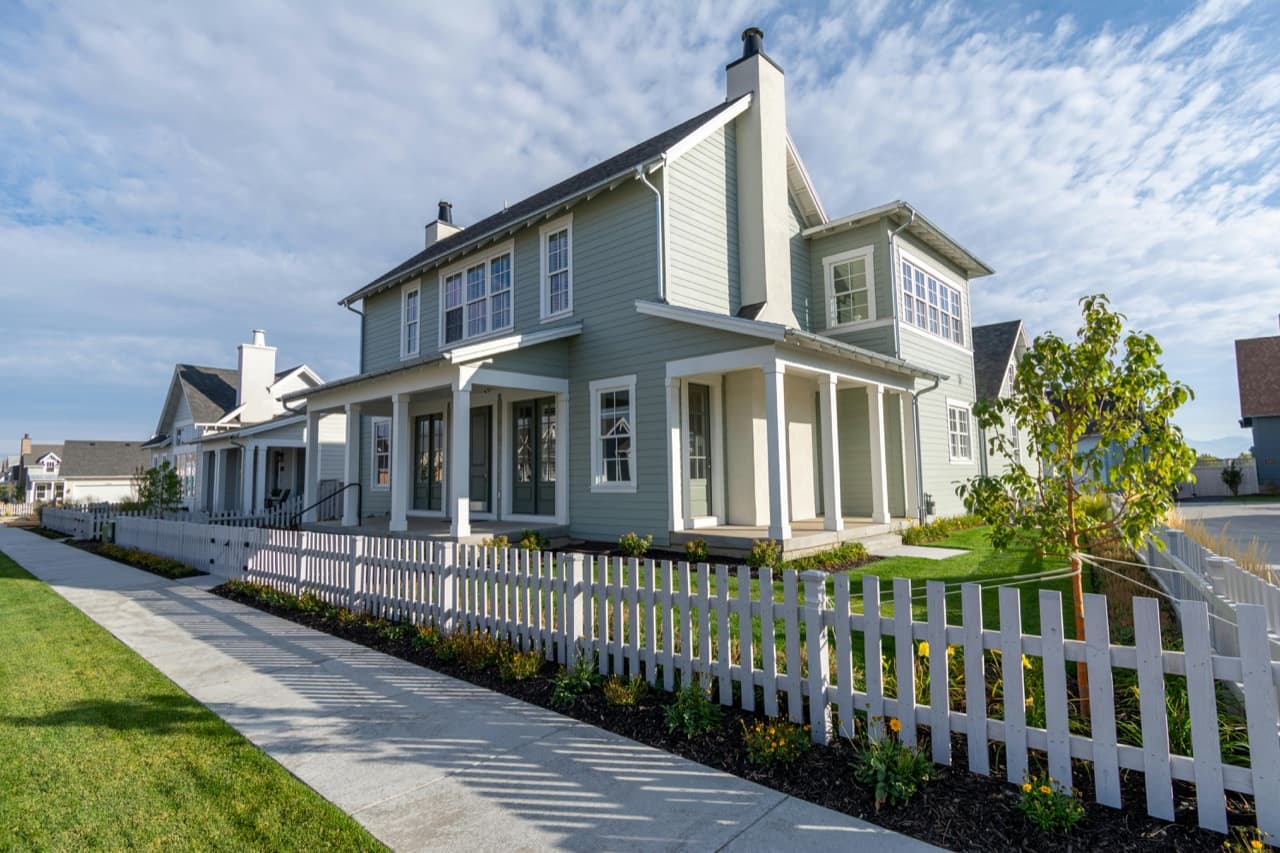
About wood fence installation
Cedar, pine, and redwood. Privacy, picket, and split-rail.
The natural-look option you can stain any color. Cedar holds up best in NJ humidity over a 15 to 25 year run. Pressure-treated pine is the budget pick and lasts 10 to 15 years. Redwood is the premium choice for showcase installs at 20 to 30 years.
Wood vs vinyl
Wood is the default for anyone who wants a real wood look or wants to stain their fence a specific color. It costs less than vinyl up front, and you can swap a single panel one at a time if a branch comes down or someone backs a car into it.
The catch is upkeep. Cedar and pressure-treated pine need a fresh coat of stain or sealant every 3 to 5 years to hold up against NJ humidity. Skip a few cycles and the bottom of the posts starts to rot, usually before the panels do.
Vinyl flips this. Higher up-front cost, no staining, 25 to 30 year lifespan on standard PVC. If restaining your fence every few years sounds like a chore you'll let slide, vinyl is probably the better call.
Most people end up choosing on aesthetic preference more than cost, because both materials work. Wood for the look and the lower entry price. Vinyl for the time horizon.
When wood is not the right pick
A few cases where wood doesn't make sense:
- You don't want to deal with restaining every few years and don't have someone to hire for it.
- Your lot stays wet or your fence runs near a downspout or low-grade area. Posts sitting in saturated ground rot faster than the math says they should.
- You're putting in a pool fence. Wood can be NJ-code-compliant in narrow configurations, but aluminum and removable mesh dominate the pool-fence category for good reasons.
The three wood species you'll see quoted
Cedar. The most common upgrade pick in Union County. Naturally rot-resistant, weathers to a clean silver-gray if you leave it untreated, takes stain well if you don't. Lifespan is typically 15 to 25 years on a good install.
Pressure-treated pine. The cost-effective workhorse. Lifespan 10 to 15 years. Holds paint and stain well, which is useful when you want a specific color rather than the natural-wood look. Most of the budget-friendly residential installs across the county.
Redwood. The premium pick. Naturally rot-resistant like cedar, but holds color longer with occasional sealing. 20 to 30 years on a good install. Used mostly on front-facing or showcase work where appearance matters as much as function. Harder to source on the East Coast, which is reflected in the price.
Wood fence styles
Common configurations:
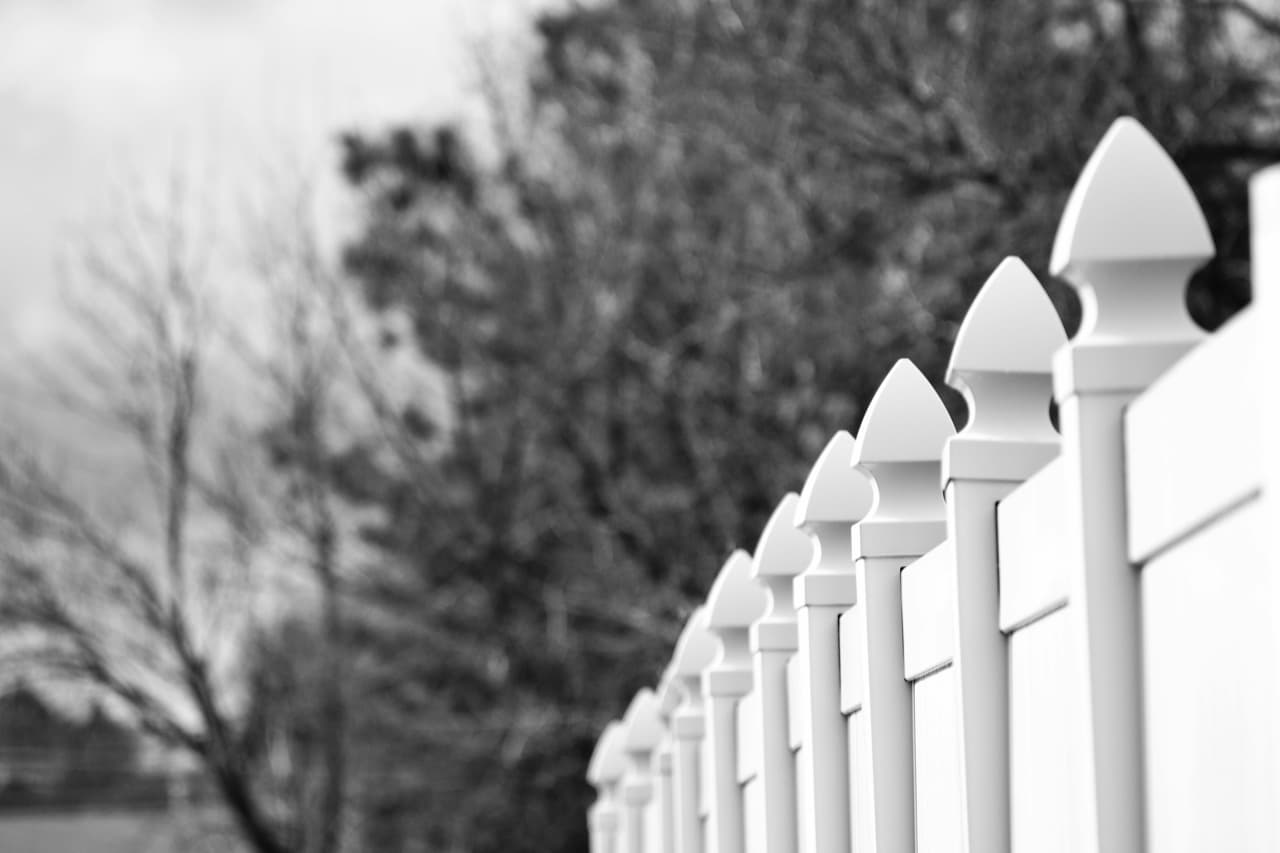
- Privacy panel, usually 6 feet. board-on-board, dog-eared, or scalloped tops. The standard backyard install across Cranford, Westfield, Summit, and most suburban Union County towns.
- Picket, 3 to 4 feet. classic front-yard or garden fence. Often stained or painted.
- Split-rail. two or three rails, open style. Used for marking property lines, framing long driveways, or rural-character lots.
- Shadowbox. a board-on-board variant where alternating boards sit on opposite sides of the rail. Looks finished from both sides, which neighbors tend to appreciate. Slightly less private than a solid panel.
Union County permit and code
Most Union County municipalities require a permit for any fence over 4 feet. Front-yard fences are typically capped at 4 feet regardless of material. The pro filing your permit handles the town paperwork.